
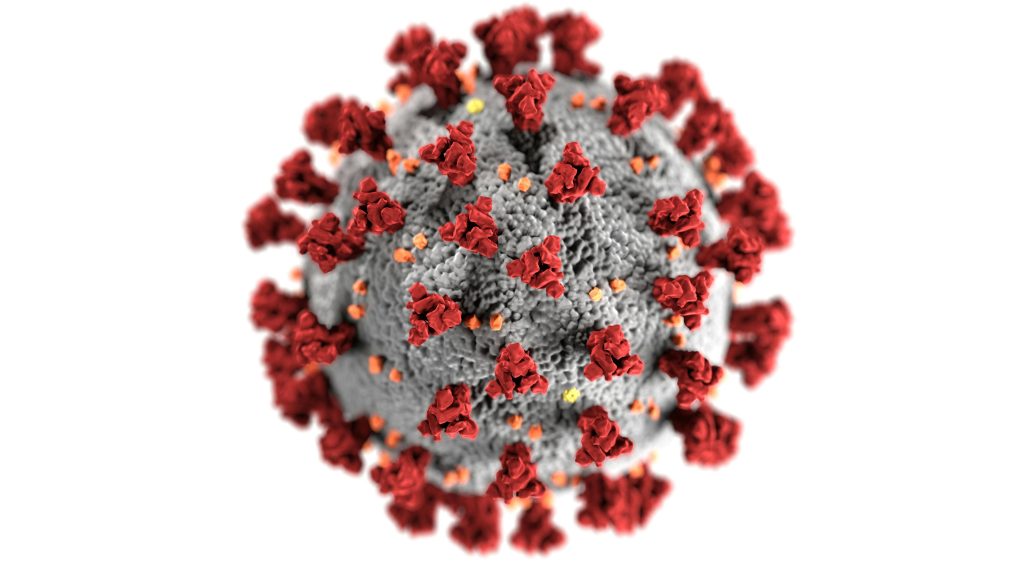
The World Health Organization has launched a unified strategic plan to guide how countries manage coronavirus threats between 2025 and 2030, covering COVID‑19, MERS, and yet‑unknown coronaviruses with pandemic potential. This plan represents a deliberate transition from emergency response toward building long‑term, resilient systems for respiratory‑disease prevention, detection, and care within routine health services.
From Crisis Response to Routine Management
During the first years of COVID‑19, global strategy focused on crisis tools: lockdowns, emergency funding, surge ICU capacity, and rapid vaccine roll‑outs. The new WHO plan moves those lessons into a model where coronavirus management is embedded in everyday health systems, integrating vaccination, clinical pathways, and respiratory surveillance into standard primary and hospital care.
Instead of building parallel COVID‑specific structures, the strategy emphasizes strengthening core capacities that serve multiple threats: laboratory networks, data systems, supply chains, and risk communication. This approach aims to maintain readiness even when public attention wanes, reducing the boom‑and‑bust cycle of investment that has previously weakened pandemic preparedness once immediate danger seemed to pass.
Expanding CoViNet: A One Health Surveillance Network
A central feature of the strategy is the expansion of WHO’s Coronavirus Network (CoViNet), a global system of reference laboratories and surveillance programmes focused on SARS‑CoV‑2, MERS‑CoV, and emerging coronaviruses. CoViNet now comprises 45 national reference laboratories across human, animal, and environmental health sectors, with 11 new laboratories added in 2025 to strengthen coverage and technical depth.
This “One Health” design recognizes that future coronavirus threats may emerge from animals or environmental reservoirs, not just human‑to‑human transmission. By combining human clinical samples, animal surveillance, and wastewater or environmental monitoring, CoViNet aims to detect new variants or novel coronaviruses earlier and to inform rapid risk assessment, vaccine composition decisions, and public‑health guidance.
Key Pillars of the 2025–2030 Plan
Although the detailed strategic and operational documents are technical, several pillars are particularly relevant for clinicians, policymakers, and health‑system leaders:
- Sustained surveillance and early warning
Countries are encouraged to integrate coronavirus testing into broader respiratory‑pathogen surveillance, using sentinel sites, genomic sequencing, and linked data systems for rapid detection of changes in transmission, severity, or immune escape. This includes leveraging existing platforms such as the Global Influenza Surveillance and Response System, which now also tracks SARS‑CoV‑2. - Integrated vaccination and clinical care
The plan calls for coronavirus vaccination programmes to be managed alongside other immunization efforts, with updated schedules for high‑risk groups as evidence evolves and with strong pharmacovigilance to monitor safety and effectiveness. Clinical guidance is to be woven into routine care pathways, ensuring that primary care, emergency departments, and hospitals maintain the skills, protocols, and supplies to manage both acute and long‑term coronavirus‑related illness. - Health‑system resilience and equity
The strategy aligns with WHO’s broader health‑emergency preparedness and resilience framework, emphasizing investment in workforce, oxygen and critical‑care capacity, supply chains, and data infrastructure that can serve multiple emergencies. Equity is a recurring theme, with explicit attention to closing gaps in access to vaccines, diagnostics, and treatment between and within countries, especially for vulnerable and marginalized populations. - Evidence, innovation, and governance
The plan promotes continuous generation and use of evidence to refine interventions, from updated vaccine formulations to better models for long‑COVID care. It is also designed to align with key international instruments such as the International Health Regulations and the 2025 Pandemic Agreement, seeking more coordinated global decision‑making when new coronavirus threats arise.
What This Means for Practice and Policy
For health professionals, the new strategy signals that coronavirus care is no longer an exceptional domain but a core part of respiratory and infectious‑disease practice for the foreseeable future. Maintaining vaccination coverage in high‑risk groups, staying current with evolving clinical guidance, and contributing data to surveillance systems will all be critical components of day‑to‑day work.
For policymakers and health‑system planners, the plan highlights the need for stable, multi‑year investment in laboratories, workforce, and data systems, rather than short‑term emergency funding cycles. Participation in CoViNet and related One Health surveillance efforts can position countries to detect and respond to emerging threats more quickly, potentially reducing both health impacts and economic disruption.
