High blood pressure (hypertension) is one of the most common health problems worldwide and one of the top topics people search for online because it usually has no symptoms but quietly increases the risk of heart attack, stroke, kidney disease, and vision problems. Many people discover they have high blood pressure only during a routine check-up, which is why regular monitoring and early lifestyle changes are so important. The positive news is that even small, consistent daily habits can lower your numbers and protect your heart over time.
What “high” blood pressure really means
Blood pressure is the force of blood pushing against the walls of your arteries, measured with two numbers, like 130/80. The top number (systolic) measures pressure when the heart beats, and the bottom number (diastolic) measures pressure when the heart relaxes between beats. For many adults, a goal of under 130/80 is recommended, but the exact target should always be personalized with a doctor based on age, other conditions, and overall risk.
Know your numbers
- Have your blood pressure checked regularly at the clinic or pharmacy, especially if you have a family history of hypertension, diabetes, kidney disease, or high cholesterol.
- If you use a home blood pressure monitor, sit quietly for 5 minutes, keep both feet on the floor, support your arm at heart level, and take two readings one minute apart, then record the average.
- Bring your home readings to your appointments so your doctor can see patterns instead of just one reading on a stressful day.
Understanding your numbers helps you take control instead of guessing or relying only on how you feel, since hypertension is often called the “silent killer.”
Move more (even a little helps)
Physical activity is one of the most powerful natural ways to reduce blood pressure and improve heart health.
- Aim for at least 150 minutes per week of moderate exercise, such as brisk walking, light jogging, cycling, or swimming (for example, 30 minutes on 5 days per week).
- If 30 minutes at once is difficult, start with 10-minute walks after meals and build up slowly; consistency is more important than intensity.
- Add simple strength exercises (like light weights or body-weight squats) 2–3 times a week to support metabolism and weight control.
Choose activities you enjoy so movement feels like a normal part of your day, not a temporary task.
Eat smart for your heart
What you eat has a direct effect on your blood pressure and blood vessels.
- Focus on vegetables, fruits, whole grains, beans, lentils, nuts, seeds, and lean proteins like fish and skinless poultry.
- Limit salty foods (chips, instant soups, processed meats, canned foods with added salt, fast food), as excess sodium can raise blood pressure.
- Try not to add extra salt at the table; use herbs, garlic, lemon, and spices to add flavor instead.
- Reduce sugary drinks and sweets, which contribute to weight gain and metabolic problems that also increase blood pressure.
- If you drink alcohol, do so in moderation, and avoid binge drinking, as this can raise blood pressure and damage the heart over time.
Many patients benefit from a pattern similar to the DASH or Mediterranean-style diet, which emphasizes natural, minimally processed foods.
Watch your weight and your sleep
Extra body weight makes the heart work harder and is closely linked to higher blood pressure.
- Losing even 5–10% of your body weight (for example, 5–7 kg if you weigh 70 kg) can lead to noticeable improvements in blood pressure.
- Focus on gradual, sustainable changes rather than extreme diets that are hard to maintain.
Sleep also plays a major role in blood pressure control.
- Aim for 7–8 hours of good-quality sleep each night; poor sleep and conditions like sleep apnea are associated with higher blood pressure and heart risk.
- Try to keep a regular sleep schedule, limit screen time before bed, and avoid heavy meals or caffeine late in the evening.
Manage stress in healthy ways
Stress does not cause hypertension on its own, but frequent, unmanaged stress can cause temporary spikes in blood pressure and push you toward unhealthy habits like overeating, smoking, or drinking too much alcohol.
- Practice simple techniques like deep breathing, prayer or meditation, gentle stretching, or short walks during the day to calm your nervous system.
- Try to create small “breaks” from screens and constant notifications, especially in the evening.
Strong social support and talking about worries with trusted people can also reduce the emotional load that indirectly affects your heart.
Do not stop your medications
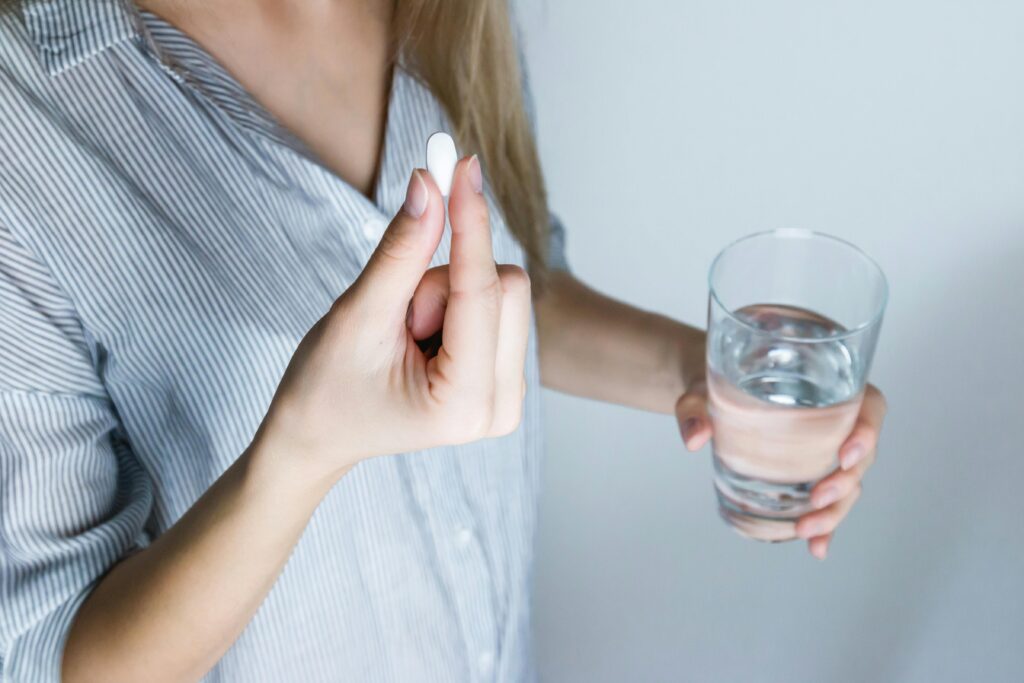
Lifestyle changes are powerful, but they support your treatment; they do not replace the medicines your doctor prescribed.
- Never adjust the dose or stop blood pressure medication on your own, even if your numbers start improving, because stopping suddenly can cause your pressure to rebound and increase your risk of serious events.
- If you experience side effects (such as dizziness, cough, or ankle swelling), speak with your doctor; there are many medication options and doses that can be adjusted safely.
Your doctor’s goal is not just to lower the numbers on the screen, but to protect you from heart attack, stroke, kidney damage, and other long-term complications.
When to seek urgent help
While many people manage high blood pressure at home with support from their doctor, some symptoms require immediate medical attention.
- If your home readings are consistently very high, or you notice chest pain, shortness of breath, sudden severe headache, confusion, weakness on one side of the body, trouble speaking, or vision changes, seek emergency care right away.
- Do not wait to “see if it passes” when symptoms feel severe, different, or frightening; it is always safer to be checked quickly.
Taking control of your lifestyle, staying informed, and working closely with your doctor form the safest and most effective way to naturally lower your blood pressure while protecting your long-term health.