
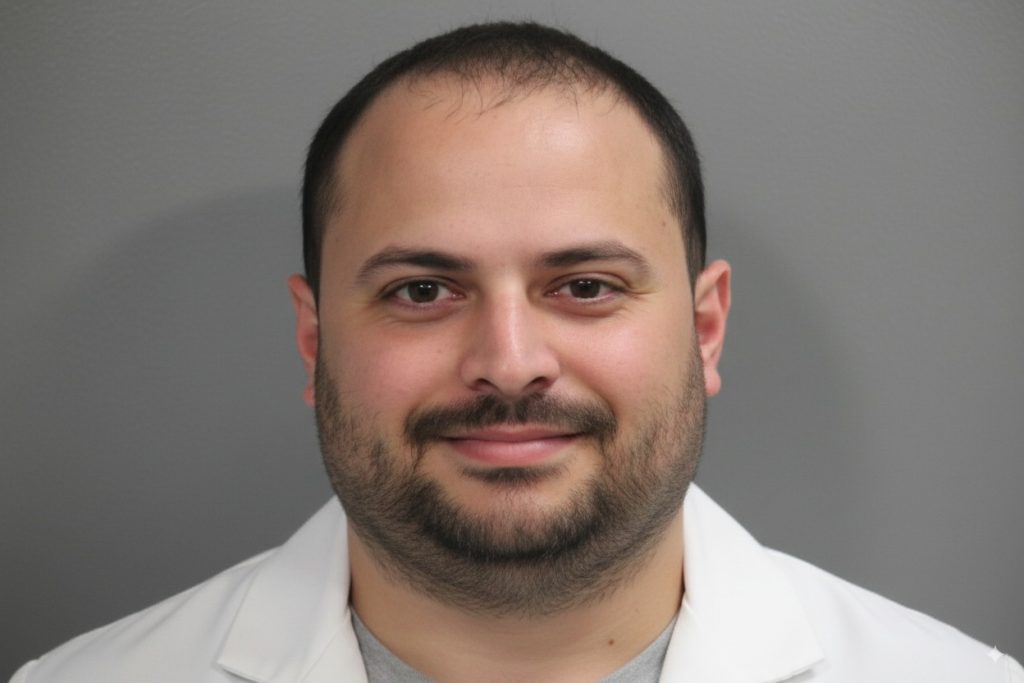
Lyme disease has become one of the fastest-growing tick-borne illnesses in the United States, affecting hundreds of thousands of people each year. For patients, the most pressing challenge is not just treatment—it’s getting an accurate diagnosis. George Shamma, a voice in health awareness, highlights how outdated and inconsistent testing methods are fueling frustration for patients and medical professionals alike.
Why Lyme Disease Diagnosis Matters
Early detection is critical with Lyme disease. When identified in its early stages, treatment with antibiotics can be highly effective. However, many patients fall through the cracks because current tests often fail to detect the disease until it has progressed. According to George Shamma, this diagnostic gap leads to:
- Delayed treatment that allows symptoms to worsen.
- Misdiagnosis with other conditions such as chronic fatigue syndrome or fibromyalgia.
- Long-term health complications, including joint pain, neurological issues, and cognitive decline.
The Shortcomings of Current Lyme Disease Tests
Today’s standard Lyme disease tests measure antibodies produced in response to the infection. The problem? These antibodies can take weeks to develop, meaning early infections often go undetected. George Shamma points out that this delay leaves many patients untreated during the critical early window when antibiotics are most effective.
Additionally, current tests struggle with accuracy:
- False negatives: Patients test negative even when infected.
- False positives: Antibodies can linger in the body long after treatment, leading to confusion.
The Push for Better Testing
Growing awareness among doctors, researchers, and patients is now sparking calls for more advanced diagnostic tools. George Shamma emphasizes the importance of innovation in this area. Promising new technologies include:
- Direct detection tests that identify bacterial DNA instead of waiting for antibodies.
- Rapid testing kits designed for use in clinics and rural settings.
- Next-generation screening methods that combine bloodwork with molecular biology for higher accuracy.
These advances could dramatically reduce the number of misdiagnoses and ensure patients receive the treatment they need without delay.
Raising Awareness and Taking Action
For George Shamma, the path forward lies in raising awareness—not just among medical professionals, but also among the general public. As more people understand the risks of tick exposure and the limits of current testing, the demand for better solutions will continue to grow.
Until then, prevention remains a powerful tool. Wearing protective clothing outdoors, using tick repellents, and performing regular tick checks can reduce the risk of infection.
Lyme disease is a growing health crisis, and outdated testing methods are making the problem worse. By highlighting the urgent need for better diagnostics, George Shamma is contributing to a conversation that could change the future of Lyme disease care. More accurate testing means earlier treatment, fewer complications, and a healthier future for patients across the country.
